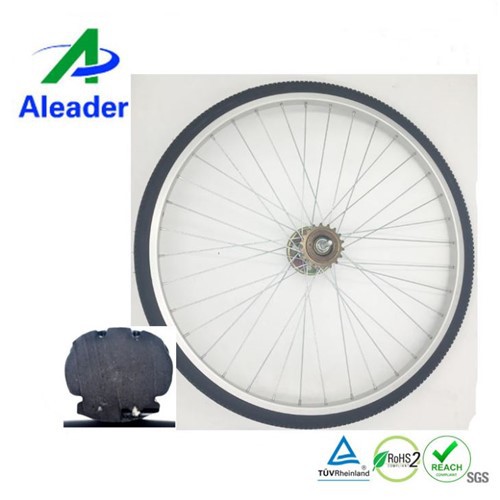
Bicycle Tyres Puncture Proof 24x1.5
What You Get in a 24x1.5 PU Solid Tire
The tire fits standard 24-inch rims with a 1.5-inch bead seat diameter. The outer diameter and cross-section match pneumatic equivalents, so frame clearance and fender fitment remain unchanged.
The compound itself is a cast polyurethane elastomer. Unlike injection-molded rubber, the cast PU cures in the mold without heat pressing, which means less internal stress and more uniform material properties across the tread.
How Spin-Casting Works (and Why It Matters)
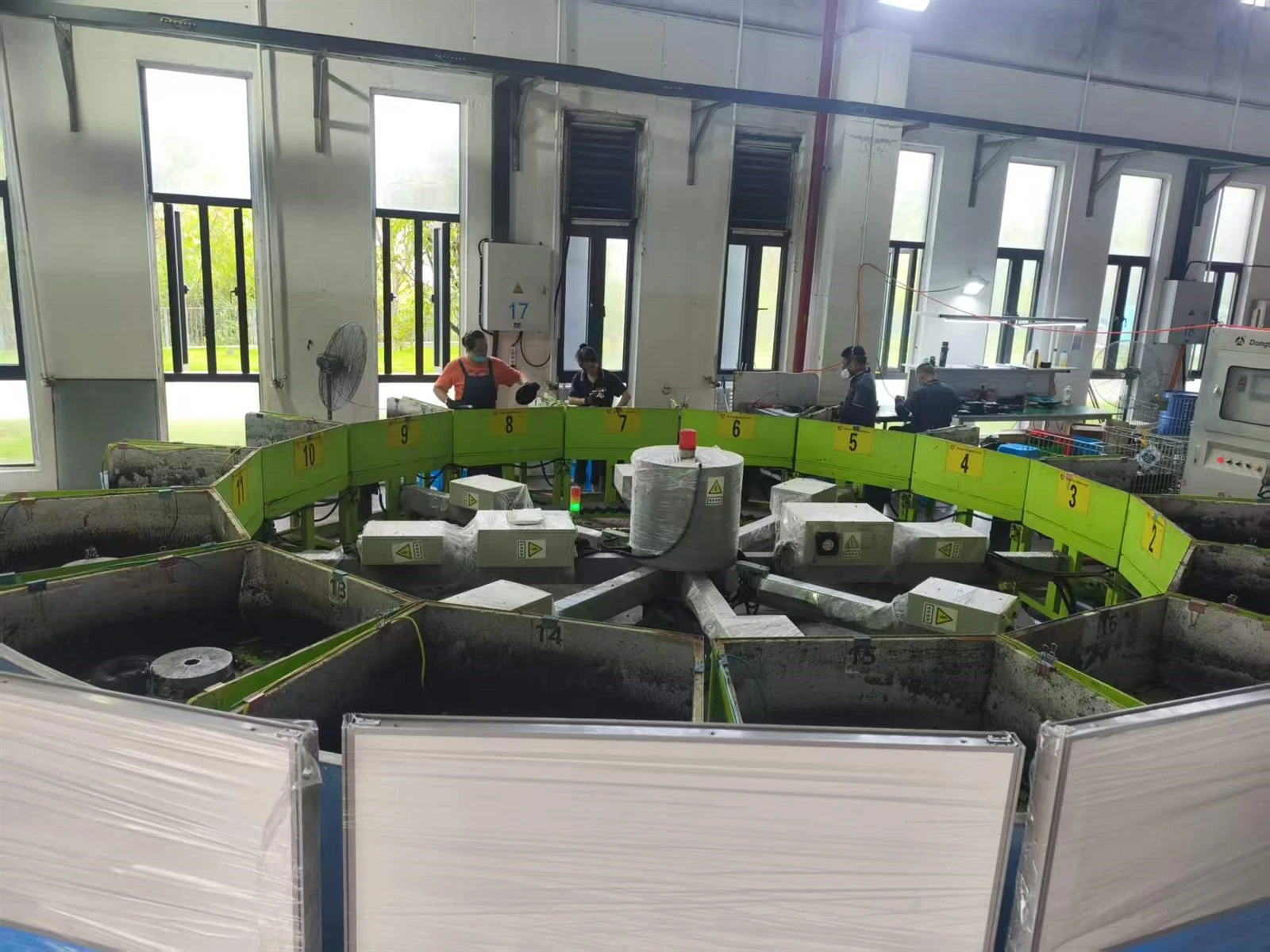
Spin-casting is pretty simple to describe: we pump liquid PU prepolymer-usually TDI-terminated-into a spinning mold, let it spin at moderate speed, wait for the exothermic reaction to finish, then pop it out. The centrifugal force does the work. Heavier stuff gets thrown to the outside, forming a dense skin that takes the wear. The lighter fraction stays in the middle, becoming a foam core that rebounds nicely (we check this per DIN 53512).
We've hammered these things on rough concrete tracks with heavy loads, running them for way longer than most people would ever ride. Pulled them off afterwards-tread wear was minimal, no delamination between skin and core. Same test on conventional solid rubber? Cracking at the shoulder, and way earlier. So the gradient idea isn't just marketing fluff. It actually keeps the tread from chunking off and the core from turning into a dead sponge.
Material Quality Control and Raw Material Sourcing
One thing the team flags repeatedly for OEM clients: hydrolysis. PU absorbs moisture over time, especially in coastal environments or outdoor storage, and that moisture breaks down the polymer backbone. Polyester polyols are cheaper, and that tempts some manufacturers. We've pulled failed competitor tires from the field-tread separation, cracking, sudden loss of resilience-and traced it back to hydrolytic degradation. Polyether-based polyols cost more, but they hold tensile strength significantly longer under humidity. That's the difference between a tire that lasts and a tire that comes back under warranty. We won't build a 2-Year Warranty tire on polyester. End of discussion.
Incoming Batch Control – Cup Foaming Before Anything Else
Every incoming raw‑material batch passes a cup foaming test before production release. Our tech team mixes small samples, logs gel time and foam rise, and compares curves against our historical acceptance range. Batches with off‑spec profiles get blocked from the spin‑cast line. This simple check catches material variation pre‑mold, maintaining consistent tread and sidewall density run‑to‑run.
Finished Tire Validation – Standard Tests, Real Benchmarks
We also run standard tests on finished tires. The DIN 53516 Akron abrasion test provides wear‑rate data for cross‑batch benchmarking. Drum fatigue testing cycles tires continuously under rated load to spot structural damage. Our tires survive far beyond normal service mileage on this drum, validating our production process.
Hydrolysis – The Silent Killer OEMs Often Overlook
Hydrolysis is a key risk we highlight to OEM customers. PU absorbs moisture, especially in coastal or outdoor storage, which breaks its polymer chains. Many manufacturers pick cheaper polyester polyols. We've seen competitor field failures - tread delamination, cracks, lost resilience - from hydrolytic degradation. Polyether polyols cost more but preserve tensile strength much better in humidity. This decides whether tires hold up or come back under warranty. We do not use polyester polyols for our 2‑year‑warranty tires, period.
Who Actually Uses This Tire
Cargo bike operators. Food delivery fleets. E-bike share programs. Any application where a flat tire means lost revenue or lost time. The puncture-proof feature is the primary selling point-not comfort, not speed, not weight. It's a functional trade-off. You give up some ride quality and some rolling efficiency. You gain predictable uptime. For operators who track fleet maintenance hours, the math usually works out.
-
Supply Chain Integrity
Procurement of isocyanates and polyols is strictly limited to global leaders like DOW, BASF, and Air Products. This ensures the consistency of the prepolymer matrix, directly influencing final tire properties such as tensile strength (MPa) and rebound resilience (%). Any variance in raw material can shift the reaction kinetics of the spin-cast process, altering the density gradient and compromising performance.
-

For B2B purchasers, traceability and batch-to-batch consistency are paramount. Aleader Tire's engineering approach to quality assurance begins at the raw material source.
-
Incoming Quality Assurance
Cup Foaming Tests: Each incoming batch of raw material undergoes a small-scale cup foaming test prior to production release. This test simulates the reaction profile, verifying critical parameters like gel time and foam density. This ensures that the production batch will behave predictably within the spin-cast molds, maintaining tight control over the density of the tread and sidewall regions.
Finished Tire Testing: Compliance with international standards is validated on the finished product.
Hot Tags: bicycle tyres puncture proof 24x1.5, China, suppliers, manufacturers, factory, wholesale, price, buy, best, for sale